Veeam vs Firevault Physical Air Gap
Software immutability is not the same as physical disconnection. Compare Veeam and Firevault on the four dimensions that decide whether a backup survives when the production estate does not.
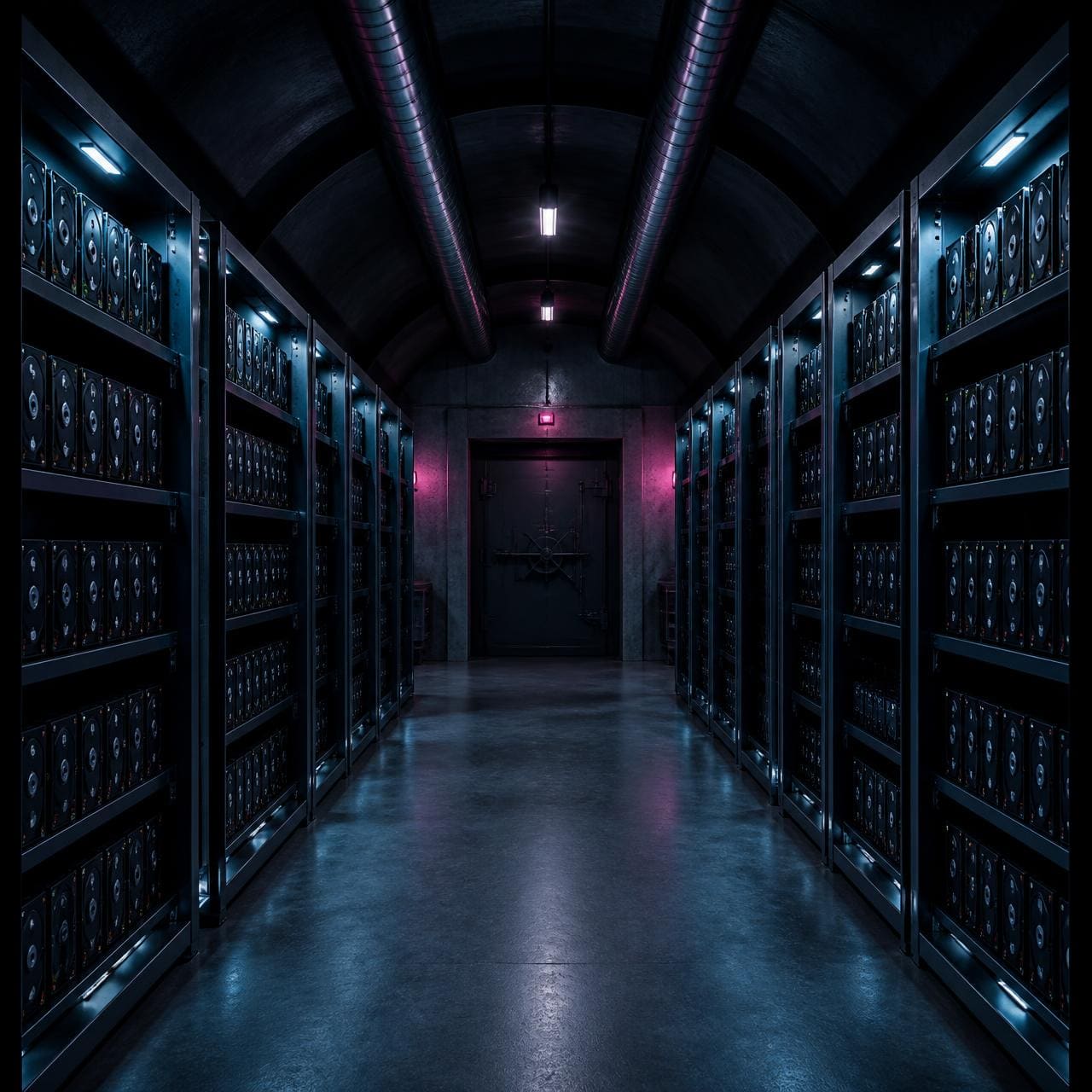
Software Immutability or Physical Air Gap
The fundamental architectural difference between a hardened backup repository and a Layer 1 disconnected gold copy.
Veeam
Veeam is a backup and replication platform. Immutability is enforced in software using object lock on S3 compatible targets, hardened Linux repositories or tape out. The repository, the console and the credentials stay reachable on the estate network.
- Software enforced immutability
- Repository stays online
- Depends on credential and console hygiene
Firevault Offline Secure Storage
Firevault holds the gold copy on dedicated hardware inside Firevault Bunkers, physically disconnected from any network. There is no NIC, no IP address and no console to compromise. Access is via scheduled identity verified connection windows only.
- Physical air gap at Layer 1
- No IP surface when disconnected
- Identity verified scheduled retrieval
Where the Choice Actually Bites
Air gap type, blast radius on admin compromise, location and recovery behaviour. The places teams regret picking one tier when they needed both.
Air Gap Type
Veeam immutability is enforced at the software layer on repositories that remain network reachable. Firevault is disconnected at Layer 1: the hardware has no route to the internet or the internal estate until a scheduled retrieval window opens.
- Veeam: logical, always reachable
- Firevault: physical, unreachable
- No IP means no exploit path
Blast Radius on Admin Compromise
If a Veeam service account, backup console or hypervisor is compromised, the attacker is inside the same trust boundary as the backups. Firevault sits outside that boundary. Compromising the production environment does not reach the offline copy.
- Outside the domain trust boundary
- No pass through from AD or SSO
- Physical chain of custody
Where the Data Lives
Veeam repositories typically live inside your datacentre, a cloud bucket or a hosted immutability appliance. Firevault data is held in named UK colocation bunkers with documented physical security, monitored custody and no shared multi tenant network.
- Named Firevault Bunker locations
- Documented chain of custody
- No multi tenant control plane
Recovery Behaviour
Veeam is optimised for fast operational restore of live workloads. Firevault is optimised as a gold copy of record: the copy you go to when the operational backup, the cloud tenancy or the domain itself is compromised. The two roles complement each other.
- Operational restore stays with Veeam
- Firevault holds the gold copy
- Scheduled and audited retrieval
Want to see how Firevault compares against Glacier, tape and cloud too.
Compare five storage architecturesVeeam vs Firevault, Common Questions
Straight answers on how Offline Secure Storage® behaves in practice.



Keep Veeam for restore, add Firevault for the gold copy
Talk to Firevault about adding a Layer 1 physical air gap alongside your existing Veeam estate.
From £360 a month including VAT. 36-month commitment. First payment at checkout.