Ohio Dialysis Provider Breach Hits 8,000 Patients
Centers for Dialysis Care in Cleveland has confirmed a network breach exposing 8,000 patients and staff. Mark Fermor on why offline storage stops this cold.

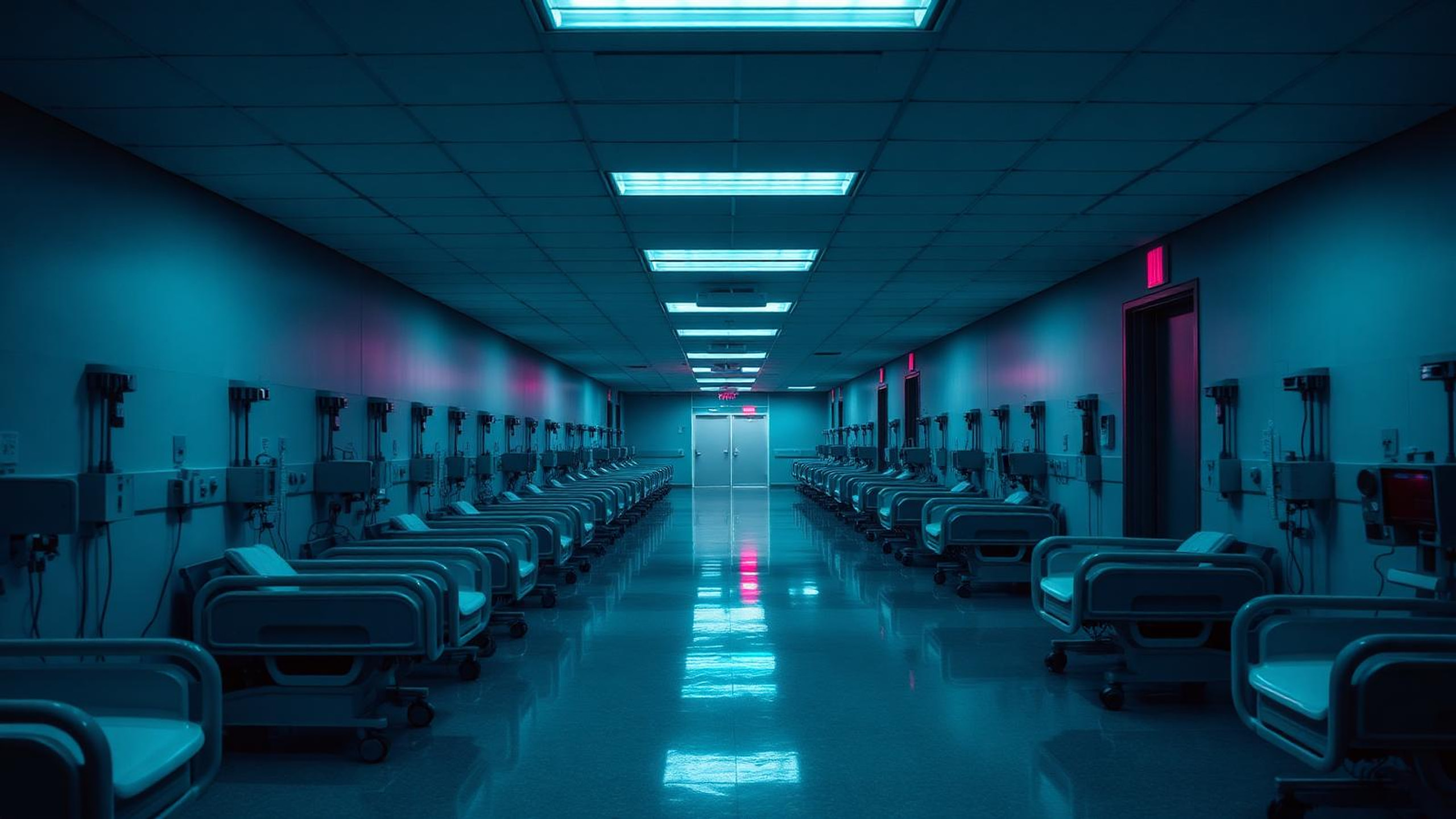
Empty dialysis clinic corridor lit in cool blue and magenta, rows of vacant treatment chairs and equipment.
On this page
What Happened
Centers for Dialysis Care, a non-profit provider based in Cleveland, Ohio, identified unauthorised access to its internal network on 20 March 2026. An unknown actor gained entry to files containing protected health information across the organisation's outpatient dialysis centres in Northeast Ohio.
The provider has filed with the US Department of Health and Human Services and reported that 8,000 individuals were affected. It has notified both HHS and the FBI, and engaged external cyber security experts to secure affected systems. At the time of reporting, no group has claimed responsibility and no ransom demand has been confirmed.
What Data Was Exposed
The accessed files contained a wide range of sensitive personal and medical data belonging to patients and employees. Exposed categories include:
- Full names and dates of birth
- Social Security numbers
- Medical information, healthcare treatment and diagnostic records
- Health insurance information
- Tax and financial information
Centers for Dialysis Care has advised affected individuals to monitor credit reports, account and benefit statements, and to report any suspicious activity to law enforcement and the state attorney general.
Why This Matters
Protected health information is among the most sensitive data an individual holds. A combined leak of Social Security numbers, treatment records and financial data creates a long window for medical identity theft, insurance fraud and targeted phishing against patients who are already unwell.
Dialysis providers rely on continuous, scheduled treatment. Any disruption to systems, records or billing has direct clinical consequences. That makes healthcare networks a favoured target and makes the assumption that everything must sit on a live, connected server a serious liability.
Mark Fermor, founder of Firevault, said: "When a nonprofit clinic ends up in the same breach column as the biggest banks, it tells you the problem is not budget. It is architecture. If the record only exists on a machine that is always online, sooner or later somebody uninvited will read it."
The Offline Alternative
Firevault Layer 1 places a physical air gap between critical records and the public network. The storage device is powered down and mechanically disconnected until an authorised person needs it. There is no route from a compromised endpoint, phishing email or stolen credential to the archive, because there is no network path at all.
For a healthcare provider, that means patient histories, insurance files and financial records held in Firevault cannot be scraped by an intruder who has landed inside the corporate network. Live clinical systems still need protecting, but the definitive archive stops being part of the blast radius.
Key Takeaways
- Healthcare is a prime target. Combined medical, personal and financial data has a long resale life and is uniquely damaging to patients.
- Scale is not the shield. An 8,000 patient nonprofit clinic faces the same attackers as national providers.
- Network reachable equals breach reachable. If the archive is online, an intruder inside the network will eventually reach it.
- Physical air gap removes the path. Firevault Layer 1 keeps the definitive record off the network entirely, so a corporate breach does not become a records breach.
Controls an auditor can physically verify
Firevault gives you physical separation, named custody and evidenced access, so compliance claims about isolation and control are things you can show, not just assert.
More from the Knowledge Vault
Dyfed-Powys Police confirms cyber attack as staff information may have been compromised
Dyfed-Powys Police has confirmed that a cyber attack identified on 14 September disrupted non-emergency systems and may have exposed staff information. The force says it has found no evidence that public data was accessed.
Read analysis
FBI investigates claims that hackers stole personnel and applicant data
The FBI is investigating unauthorised activity affecting its recruitment website after ShinyHunters claimed it stole sensitive records on current and former personnel and job applicants. The claimed scale remains unconfirmed.
Vulnerable children's health records caught up in HCRG Care Group cyber attack, families told 18 months later
Families of vulnerable children in Wiltshire, Bath and North East Somerset have been told their personal health information may have been accessed in a cyber attack on HCRG Care Group in February 2025, more than 18 months after the incident.

FBI and Coast Guard board oil tankers after suspected foreign cyberattacks on ships entering US waters
US authorities boarded two foreign-flagged oil tankers in the Gulf of Mexico after indications their networks were compromised by foreign cyber actors. Mark Fermor on why a ship is a floating lesson in what happens when operational technology is reachable.

FBI investigates 153 million drivers licenses put up for sale on a criminal forum
A dark web service claimed to be selling scans of more than 153 million drivers licenses, apparently taken from a Louisiana identity verification company used by household names. The FBI has opened an inquiry, and the case shows how long retention turns a routine check into national-scale exposure.

CenterPoint Energy confirms hackers stole customer data through an exposed API
CenterPoint Energy has confirmed that criminals stole customer data through one of its external facing systems, after a threat actor advertised 7.49 million files on a dark web forum. Mark Fermor on what an unsecured API says about the way critical infrastructure treats connected data.