News · Breach Analysis
Lidl Warns Customers After Third-Party IT Provider Breach
Lidl has warned online shoppers in Germany, Belgium and the Netherlands that names, phone numbers, email addresses and dates of birth were stolen from a third-party IT provider. The breach is a fresh reminder that supplier risk is customer risk.

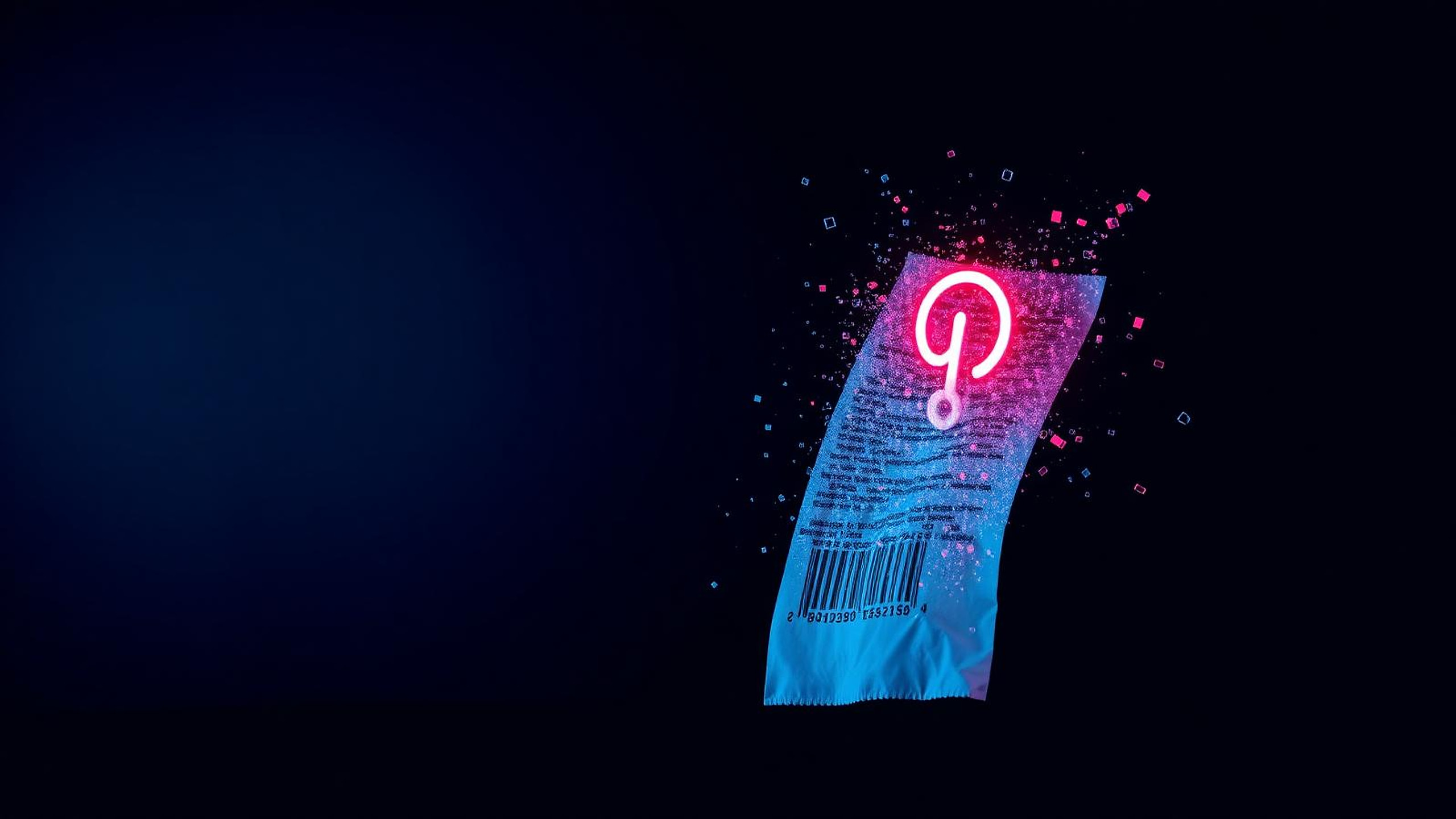
Stylised supermarket receipt dissolving into digital particles with a phishing hook, symbolising the Lidl third-party data breach.
Why it matters
What this means for organisations holding critical data
Lidl has warned online shoppers in Germany, Belgium and the Netherlands that names, phone numbers, email addresses and dates of birth were stolen from a third-party IT provider. The breach is a fresh reminder that supplier risk is customer risk.
Lidl has told customers across Germany, Belgium and the Netherlands to be on guard against phishing after personal information was stolen from one of its third-party IT providers. The German retail giant, owned by Schwarz Group, said its online shop system itself was not compromised, but a separately stored customer file held by a supplier was accessed and partly exfiltrated by unidentified attackers.
What Happened
According to notifications sent to Belgian and Dutch customers, Lidl became aware of the incident in the week preceding disclosure. The retailer stated that "despite high IT security standards, unidentified individuals were briefly able to access a separately stored file containing customer data and steal some of it." The stolen file related to Lidl online store accounts.
The IT service provider responsible for the file reacted immediately to restore the security of the affected systems and engaged forensic experts to investigate. Relevant data protection authorities have also been notified in line with GDPR obligations.
What Data Was Exposed
Lidl confirmed the stolen dataset includes:
- Full names
- Phone numbers
- Email addresses
- Dates of birth
- Customer numbers
The retailer has ruled out exposure of passwords, billing and delivery addresses, bank details or other payment information. Customer accounts themselves have not been compromised. However, the combination of name, contact details and date of birth is enough to power highly convincing phishing and identity theft attempts.
Why This Matters
This is a supplier-side breach, not a Lidl platform compromise, and that distinction is the whole story. The largest grocery chain in Europe carries out its due diligence, yet a file held by an external processor was still reached by attackers. Every organisation that trusts a supplier with a customer database inherits that supplier's weakest control.
Boris Cipot, principal security engineer at Black Duck, praised the retailer for its speed and candour but noted that the real test is what happens next: how quickly the forensic investigation completes, how clearly Lidl communicates updates, and how rigorously it reassesses the security requirements placed on its service providers going forward.
Under GDPR, retailers remain the data controllers even when the breach happens at a processor. Regulators in Germany, Belgium and the Netherlands will judge Lidl on the strength of its supplier oversight, not on the wording of the contract.
The Offline Alternative
Every third-party breach follows the same pattern. A file has to sit somewhere reachable so that an application, an analyst or an integration can query it, and once it is reachable it is at risk. Firevault takes the opposite approach for the data that never needs to be queried in real time.
Firevault provides Layer 1 physical air gap storage. The vault is only connected to a network during a scheduled, human-authorised window. Outside that window there is no route in, no cable, no session and no credential that can reach the data. A supplier compromise, a stolen token or an exposed API key cannot pull records out of a device that is not on the wire.
For customer archives, backups of production databases, historical order records, KYC evidence and any dataset held for compliance rather than daily operations, physical disconnection removes the class of attack that hit Lidl's supplier. The file cannot leak from a system that cannot be reached.
Key Takeaways
- Supplier risk is customer risk. Lidl's own platform held. The breach came through a third-party processor, and the retailer still owns the incident under GDPR.
- Contact details plus date of birth is a phishing kit. Attackers do not need passwords when they have enough context to impersonate a bank, a delivery firm or Lidl itself.
- Speed and candour matter. Lidl notified affected customers and regulators quickly, which is now the baseline expectation for European retailers.
- Cold data belongs off the network. Data held for archive or compliance does not need to be online. Air gap storage removes the attack surface that supplier breaches rely on.
Sources
Where this reporting comes from
How Firevault would handle this
A recovery copy an attacker cannot reach
Offline Secure Storage® keeps a clean copy of your data on hardware that is physically disconnected, so backup and recovery do not depend on systems an intruder can touch.
Related Reading
You may also find these useful
EY data breach: client tax records exposed through a support platform
Client tax documents held in EY support tickets were downloaded by an unauthorised third party. Later reports link the exposure to Goldman Sachs, Man Group and Tishman Speyer.
ASOS data breach: stolen customer profiles and a hijacked app notification
ASOS confirms customer-data exposure after attackers hijacked its app notifications. What happened, what was taken and why a stolen login can put more than contact details at risk.
Dyfed-Powys Police confirms cyber attack as staff information may have been compromised
Dyfed-Powys Police has confirmed that a cyber attack identified on 14 September disrupted non-emergency systems and may have exposed staff information. The force says it has found no evidence that public data was accessed.
FBI investigates claims that hackers stole personnel and applicant data
The FBI is investigating unauthorised activity affecting its recruitment website after ShinyHunters claimed it stole sensitive records on current and former personnel and job applicants. The claimed scale remains unconfirmed.
Vulnerable children's health records caught up in HCRG Care Group cyber attack, families told 18 months later
Families of vulnerable children in Wiltshire, Bath and North East Somerset have been told their personal health information may have been accessed in a cyber attack on HCRG Care Group in February 2025, more than 18 months after the incident.

FBI and Coast Guard board oil tankers after suspected foreign cyberattacks on ships entering US waters
US authorities boarded two foreign-flagged oil tankers in the Gulf of Mexico after indications their networks were compromised by foreign cyber actors. Mark Fermor on why a ship is a floating lesson in what happens when operational technology is reachable.