Offline Secure Storage for Healthcare
Patient data is among the most sensitive and regulated data in existence. Offline Secure Storage (OSS) provides physical disconnection for clinical records and medical research.
- Clinical system ransomware
- Patient record exfiltration
- IoMT device compromise
- NHS DSPT non-conformance
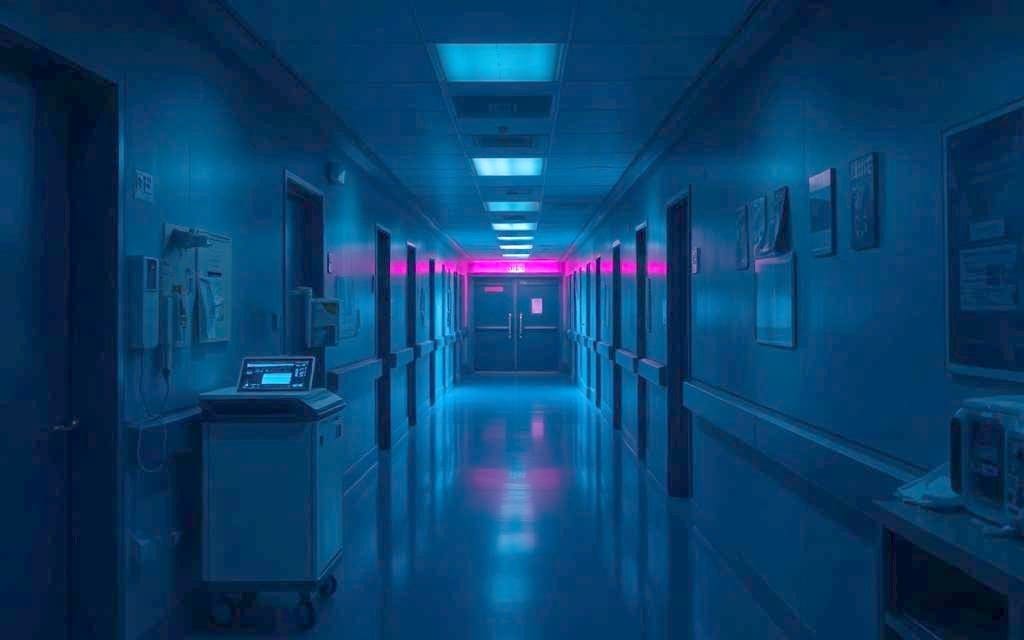
Offline Secure Storage® keeps a clean copy on hardware that is physically disconnected.
Healthcare & NHS Reality
Patient records carry decades of sensitive history, and NHS England has been clear that a single ransomware event can shut down clinical care for weeks. The Data Security and Protection Toolkit asks providers to keep recoverable, segregated copies of clinical data, but most trusts still depend on online backup that an attacker can reach with the same stolen credentials. HIPAA, GDPR and the NHS DSPT all demand a protected copy. Firevault removes patient records from that blast radius entirely, with identity-locked access reserved for clinicians who genuinely need them.
- Average cost of a healthcare data breach
- £10.9MAverage cost of a healthcare data breachIBM Cost of a Data Breach 2024
- NHS Synnovis ransomware disruption to London hospitals
- 6 monthsNHS Synnovis ransomware disruption to London hospitalsBBC News, 2024
- Patient appointments disrupted by Synnovis attack
- 400K+Patient appointments disrupted by Synnovis attackNHS England, 2024
- ICO fine to Capita, which processes NHS data
- £14MICO fine to Capita, which processes NHS dataICO, October 2025
Healthcare faces unique data threats.
Patient Records
Medical records command premium prices on the dark web, up to 50x financial data.
Ransomware Targeting
Healthcare is the number one targeted sector for ransomware attacks.
Regulatory Pressure
NHS DSPT, GDPR, and Caldicott principles demand appropriate protection.
This is already happening in healthcare.
Every incident below is a matter of public record. Each one involved data that was reachable from a live network at the moment of compromise.
NHS Synnovis: Ransomware Paralysed London Hospitals for Months
A ransomware attack on pathology provider Synnovis disrupted blood tests and operations across major London hospitals. Over 400,000 patient appointments were affected and stolen patient data was published online.
BBC News, June 2024
Capita: £14M Fine, NHS Data Processor Breached
Capita processes data for multiple NHS trusts. The ICO fined the outsourcer £14 million after hackers accessed personal data of over 6 million people, including patient records.
ICO, October 2025
Co-op: 6.5 Million Members' Data Stolen Including Pharmacy Records
Attackers exfiltrated personal data of all 6.5 million Co-op members, including those using Co-op pharmacy services, in an attack the CEO described as devastating.
BBC News, 2025
We Think This Is Hard to Ignore
NHS Synnovis was paralysed for months after ransomware encrypted connected patient systems, forcing the cancellation of thousands of operations. At Firevault, clinical records live on hardware that is physically disconnected, because patient safety depends on data that ransomware cannot touch.
Remove patient data from every system attackers can reach.
Patient records, clinical trial data, and safeguarding files are taken off hospital networks and written to dedicated RAID 1 drives inside a Firevault Bunker. Those drives have no internet connection. No IP address. No API. When authorised clinical staff need access, a physical connection is created after identity verification. When the session ends, the drives disconnect.
- Patient data removed from hospital networks and placed on hardware with no network connection. Ransomware cannot encrypt what is not online
- Clinical records isolated with identity-verified access. Stolen staff credentials cannot unlock physically disconnected hardware
- Full audit trail for NHS DSPT, Caldicott, and GDPR compliance. Every access session is logged and attributable
- Held in carefully selected Firevault Bunkers with clear jurisdictional boundaries for data sovereignty
Take Patient Data Off Hospital Networks
Step 1 of 3Patient records, clinical trial data, and safeguarding files are taken off hospital networks and written to physically disconnected RAID 1 drives inside a Firevault Bunker. No cloud. No shared system. No attack surface.
What the regulator says
“Organisations must ensure that backups are kept separate from the live system and protected from the same threats that could compromise the primary data.”
Featured In





Choose your protection
Which Offline Secure Storage® fits healthcare?
Every tier is the same physical principle at a different scale. Pick the access pattern that matches how your team works, then see the capacity, price and use cases for it.
300GB
Occasional-Use Vault, Deep Cold Storage
£74.99/mo
inc. VAT · £0 due today
Deep cold storage for safeguarding records and patient files accessed periodically for audits or reviews. One nominated access day each week within a 12-hour window.
What 300GB holds
Use Cases for Healthcare
- Safeguarding and vulnerable patient records
- Historic patient notes and discharge summaries
- Clinical trial consent documentation
- Staff DBS and occupational health files
- Complaint and incident investigation files
Specifications
Capacity
300GB
Access
1 day/week, 12-hour window
Authentication
Identity-locked
Commitment
36 months
Security & Compliance
How to Get Started
Step 1
Discovery Call
Understand what you need to protect and how you operate.
Step 2
Vault Configuration
Select your tier, capacity, and access model.
Step 3
Identity Verification
Complete KYC/AML and set up multi-factor authentication.
Step 4
Go Live
Data ingestion, access policy activation, and ongoing support.
Questions