
Guides · 9 chapters · 3 min read
A Guide to Protecting Critical Infrastructure with a Control Blueprint
How Control Blueprint CP-05 uses Control Modules to keep operational systems available, controlled and free of unnecessary exposure, what good looks like, and how a deployment is scoped.
Chapter 1About this guide
This guide is written for security, infrastructure and risk leaders who need to keep operational systems available, controlled and free of unnecessary exposure. It explains one Control Blueprint, CP-05, in plain terms: the failure it addresses, the Control Modules it uses, how those modules work together, and how a deployment is scoped.
Control by Firevault is a suite of nine purpose-built modules: a set of tools and techniques that give you physical control over the paths into and across your estate. A Control Blueprint is a proven combination of those modules assembled for a specific outcome. This guide covers one blueprint. The Control overview covers the nine modules and the full set of blueprints.
Chapter 2The problem this blueprint addresses
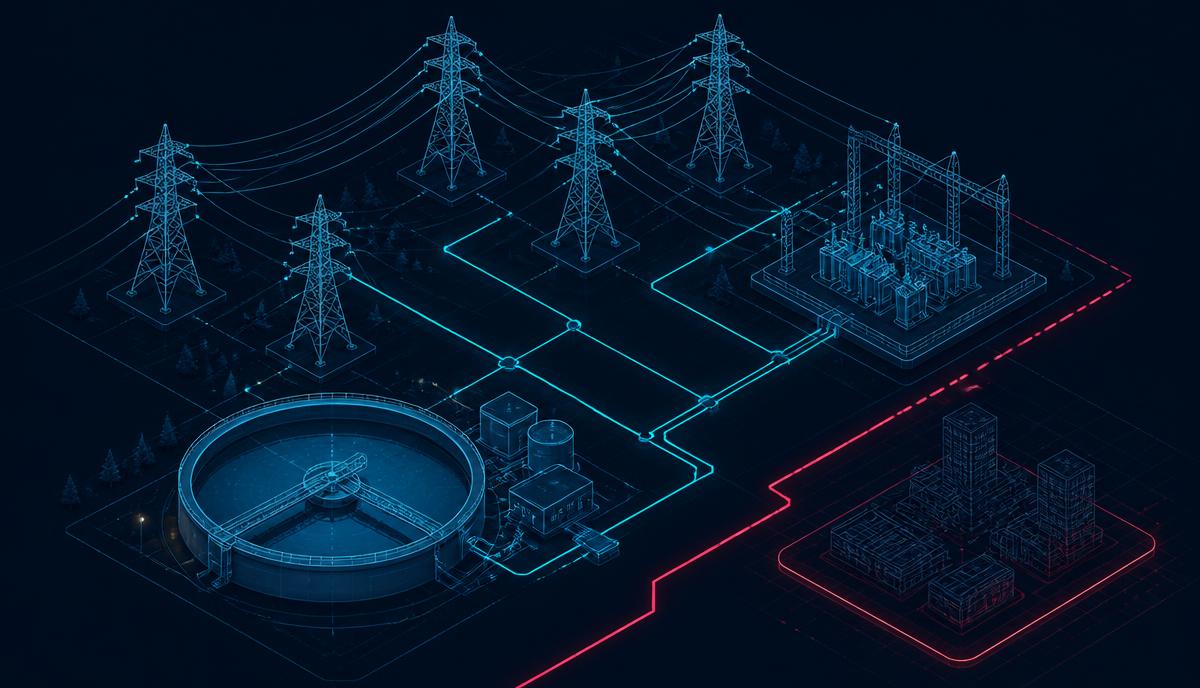
Operational technology cannot be patched, rebooted or taken offline on the same terms as corporate IT, yet it still needs supervisory access, vendor maintenance and data extraction. The result is usually a permanent connection justified by an occasional need.
Chapter 3CP-05 at a glance
- Lead layer FIRE+VAULT
- Primary modules Firebreak, Isolate, Relay, Execute
- Supporting modules Transfer, Archive, Lock
- Typical sectors Energy, critical infrastructure, defence and manufacturing
Chapter 4The primary modules
These modules do the work the blueprint is named for.
- Firebreak physically breaks the connection path, so a route only exists when it is deliberately opened.
- Isolate separates an environment at hardware level, so a compromised zone cannot reach a clean one.
- Relay opens a controlled, time-bound crossing and closes it again on schedule.
- Execute fires the control action on signal, without waiting for a change window.
Chapter 5The supporting modules
These modules round out the pattern and are usually added as the deployment matures.
- Transfer governs what data is allowed to move, in which direction, and when.
- Archive preserves logs, records and evidence beyond the reach of the live estate.
- Lock holds access to the systems that matter behind identity and condition controls.
Chapter 6What good looks like
- Connectivity to operational zones is closed between maintenance windows.
- Supervisory and vendor access opens on approval and closes on schedule.
- Data leaves the operational zone under controlled transfer only.
- Availability is never traded for convenience.
Chapter 7How the blueprint is deployed
Control Modules are a suite of tools and techniques deployed within your own estate and applied to the paths they govern: at a boundary, inside a zone, or at a third-party edge. Authorisation and evidence remain local, so losing connectivity to Firevault never opens a path.
Most deployments start with a single boundary or zone, prove the control behaviour, then extend the same blueprint across the estate. Modules can be customer-operated or co-managed.
Chapter 8How to scope it
Scoping starts with the paths, not the product. A short discovery exercise identifies the boundaries that matter, who needs to cross them, how often, and what evidence is required. That produces the module count and placement, which in turn produces the price. Blueprints are combined where an estate has more than one problem to solve.
Chapter 9Next steps
- Read the full blueprint detail: CP-05 blueprint
- See all nine modules and the other blueprints: Control by Firevault
- Talk it through with our team: contact Firevault
Where Firevault fits
Access decided by you, not assumed by the network
Control by Firevault removes standing pathways and replaces them with connection windows you approve, so stolen credentials and compromised suppliers have nothing standing to abuse.
- 1No standing access Paths exist only when you open them
- 2Verification Identity confirmed before any connection is made
- 3Containment A compromised account cannot reach what is disconnected
- 4Control Every window and closure is under your command
Related Reading
You may also find these useful

Protecting Students, Peers and Partners: A Practical Education Data Briefing
A practical, forward-looking briefing to help schools, colleges and universities protect students, staff and partner data after the Department for Education breach.

Urgent Briefing and Advice: Protecting Personal Data for High-Profile Figures in the Public Eye
Practical steps for serving and former politicians, councillors, campaigners, journalists, executives, broadcasters and anyone in the public eye, covering email security, device hygiene, threat handling and offline secure storage.
500,000 Volunteers Breached Through Authorised Access: A Controlled Access Buyer's Guide
In April 2026, approved researchers exfiltrated the health records, genetic data, and medical histories of 500,000 UK Biobank volunteers through authorised access channels, then listed the data for sale on Alibaba. The breach was not caused by a hack. It was caused by a model that assumes licence agreements can prevent data theft. This guide covers why that model fails and what physical controls replace it.



Put this guide into practice
Ready to apply what you have learned? Explore how Control by Firevault governs the physical paths into your systems.
From £360 a month including VAT. 36-month commitment. First payment at checkout.

Business
Size your Vault.
2TB, 4TB or 8TB of dedicated hardware, from £360 a month inc VAT.

Larger estates
Request a Storage design.
From 20TB, designed with our solutions team.

Personal
LUV, 300GB.
Identity documents, wills and family archives, opened one day a week.